What Makes a Pizza Restaurant Experience Shareable on Social Media
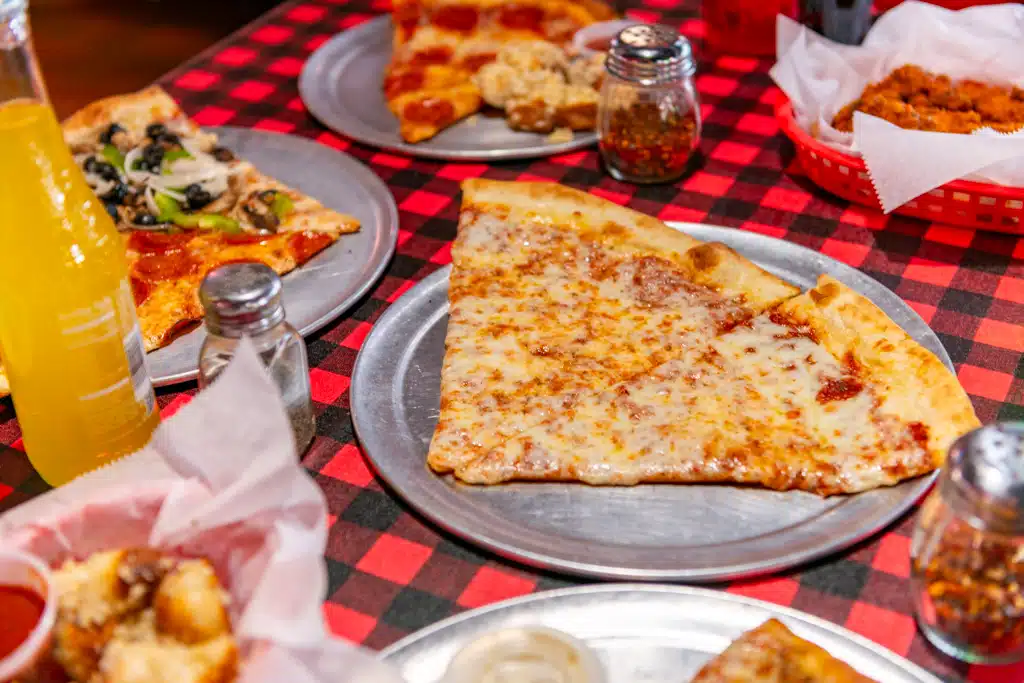
A shareable restaurant experience is rarely an accident. People do not pull out their phones, frame a shot, and send it to friends because a business simply exists. They do it when a place gives them a moment worth documenting, a detail worth discussing, or a feeling worth extending beyond the table. In a pizza restaurant, that threshold is even more interesting because pizza is familiar, affordable, and highly visual. Nearly everyone has eaten it, which means the bar for surprise is higher. If a guest is going to post, the experience has to rise above the expected.
That does not mean every pizza restaurant needs a neon wall, a mascot, or a gimmick. In practice, the most shareable places tend to get a handful of fundamentals right at the same time. The food looks unmistakably good. The room has character. Service moves with confidence. The brand knows what kind of memory it wants to create. And, crucially, the social media moment feels natural rather than staged.
Owners sometimes get this backward. They invest in a decorative corner designed for photos, then neglect the lighting over the tables where the pizza actually lands. Or they create a menu item built to go viral, but it eats poorly and disappoints in person. Social sharing works best when the thing being shared is already a strong hospitality experience. The camera just amplifies it.
Shareable starts with sensory impact
When a guest decides whether something is worth posting, the first filter is usually visual. Pizza has an advantage here. It arrives hot, glossy, textured, and familiar enough that viewers understand it instantly. Melted cheese stretching from slice to slice has a built-in drama. Charred crust, fresh basil, bright sauce, and steam rising off the pie do a lot of work before anyone writes a caption.
Still, visual appeal is more specific than many operators assume. Not every attractive pizza photographs well. A pie can taste excellent and still look muddy under dim overhead bulbs. Toppings can read as cluttered if the color palette is flat. Even the plate matters. A pizza on a scratched metal tray gives off a different impression than one on a warm wood peel or a clean stone surface.
The restaurants that show up repeatedly on Instagram, TikTok, and local food feeds usually understand plating at table level, not just in a controlled kitchen shot. They think about how the pizza appears the second it lands. That means a balanced topping layout, visible crust structure, and enough contrast for the eye to settle somewhere. A white pie with ricotta, lemon zest, and greens can be stunning if the greens are fresh and the lighting supports it. A deep red pepperoni pie with cupped slices and crisped edges often wins because it reads clearly, even on a small phone screen.
Movement matters too. People share action, not just stillness. The slice lift, the cheese pull, the scatter of flour on the prep bench, the quick turn of a pie in a wood-fired oven, these are moments that feel alive. A pizza restaurant that can create visible motion without slowing service gains a steady stream of user-generated content almost for free.
The room has to carry its side of the story
Food may trigger the post, but the environment often determines whether the content travels. A restaurant with no visual identity puts too much pressure on the plate. The strongest shareable spaces support the guest’s story from multiple angles. The room says something about the brand before the menu even opens.
That does not require expensive interior design. Some of the most photographed pizza spots I have seen had concrete floors, bentwood chairs, and simple tile. What they did have was coherence. The colors, signage, open kitchen, music level, and table spacing all felt intentional. Guests sensed that they were somewhere with a point of view.
Lighting deserves special attention because it affects both experience and content. Operators often chase atmosphere and end up with a room too dim for people to see the menu, let alone take a decent photo. The fix is not bright, flat lighting everywhere. It is layered light. Soft ambient light, focused light over tables, and a little warmth on the pizza itself can preserve mood while making food look appealing. Many restaurants discover this only after a flood of dark, grainy guest photos makes the brand look worse online than it does in person.
There is also the matter of spatial pacing. Shareable experiences need room to happen. If tables are crammed together, servers have to rush, and guests feel cramped, they are less likely to linger over a shot or a short video. A pizza restaurant does not need sprawling square footage, but it benefits from one or two sightlines that naturally invite a photo. That might be the oven glowing in the background, a mural near the entry, or a window seat where afternoon light hits the table just right.
I once worked with a casual pizzeria that kept wondering why its food underperformed on social media despite strong reviews. The pies were good, but every guest photo looked chaotic. Condiment bottles crowded the tables, promotional table tents blocked the plates, and black ceiling lights cast shadows across every pizza. The fix was not dramatic. They cleared the tabletops, changed bulb temperature, and shifted one communal table six feet to align with a front window. Within a few weeks, guest photos improved noticeably, and the restaurant’s tagged posts started looking like marketing assets rather than surveillance stills.
Shareability depends on emotional timing
People do not only share what looks good. They share what feels like a moment. In restaurants, timing creates that feeling. A perfectly cooked pizza dropped in front of the table while everyone is engaged, hungry, and relaxed has more social energy than the same pie delivered after a long wait and a service mistake.
The emotional arc of the visit matters more than many operators realize. Guests tend to post at a few specific points: when they first sit down and absorb the room, when the food arrives, when something surprising happens, or after the meal when they feel satisfied and generous. If friction dominates those moments, the share impulse dies.
That means the basics of hospitality are still doing most of the heavy lifting. Hosts who greet people promptly, servers who explain specialties with confidence, and kitchens that hit a reasonable pace all contribute to the social media outcome. A polished experience gives people mental space to notice details worth posting.
There is an important trade-off here. Restaurants can over-script the guest journey in pursuit of social content. When every touchpoint feels engineered for a post, people sense it. The best kind of shareability feels discovered, not demanded. Guests should feel like they found something worth capturing, not like they entered a set built around other people’s cameras.
Signature details travel farther than generic beauty
A good-looking pizza is nice. A pizza with a detail people can identify instantly is much stronger. Social media rewards recognition. If viewers can tell where a post came from without reading the caption, a restaurant has real branding power.
Signature details can take many forms, but they work best when they are tied to actual operations rather than decorative afterthoughts. Consider a pizza restaurant known for extra-dark leopard spotting on a naturally fermented crust. Or a rectangular grandma pie served in blue steel pans with crisp edge caramelization. Or a dining room where whole basil plants line the window ledge and appear in the frame of every table shot. These details give content a fingerprint.
A useful way to think about this is through memorable anchors:
- a distinctive pizza style or finish
- a recognizable service ritual, such as tableside slicing
- an interior feature guests naturally include in photos
- packaging that still looks good after pickup or delivery
Notice that each of these can stand up in real life. None depends on trick photography. That is the dividing line between a durable social media asset and a gimmick that burns out.
The strongest anchors also invite repeat sharing. A first-time guest may post the mural. A regular posts the seasonal pie because the restaurant changes toppings in a way that stays visually interesting. A local influencer posts the oven shot. A family posts the oversized booth and the birthday candle in a dessert pizza. Different people should be able to find different reasons to document the same place.
Food that eats well usually posts well, but not always
There is a persistent temptation to design menu items for the camera first. Tall burrata crowns, excessive cheese pulls, oversized slices, flaming finishes, and novelty toppings can all create immediate attention. Some of those ideas work. Many do not hold up once the guest starts eating.
A pizza restaurant that wants long-term shareability should be careful here. Viral items attract curiosity, but repeat business comes from food that delivers beyond the frame. The best social menu items do both. They have a visual hook and a culinary reason to exist.
Pepperoni cups that crisp into tiny bowls of rendered fat are highly shareable because they also improve texture and flavor. Hot honey drizzled over soppressata reads beautifully on camera and gives a clear sweet-spicy contrast on the palate. A white pie with charred broccolini, sausage, and pecorino can perform well visually if the ingredients are arranged with care and the flavors are balanced enough that guests recommend it offline.
This is where menu discipline matters. If every pizza tries to be the star, nothing stands out. A tighter menu with two or three visually magnetic signatures often creates better social traction than a sprawling list of twenty interchangeable pies. Guests need something easy to point to and say, “Get this one.”
There is also a practical delivery and takeout angle. A huge share of restaurant content now comes from off-premise occasions. If the box opens to reveal a shifted, sweaty pizza, the restaurant loses a social opportunity. Packaging inserts, venting, crust structure, and topping restraint all affect how well a pizza survives the ride home. A pizza restaurant that performs on camera in-house but collapses during delivery is giving away too much ground.
Service can either invite content or shut it down
No server should have to become a full-time content producer for guests. That said, service style influences whether people feel comfortable documenting the meal. Good teams read the room. They know when to pause for a second as the pizza lands because the table is clearly reaching for phones. They know how to describe a special in a way that builds anticipation. They know not to stack clutter around a plate right before the first slice is lifted.
The restaurants that handle this well train for awareness, not for theatrics. Staff should not shout catchphrases or force moments. They should simply protect the natural high points of the meal.
I have seen one small service adjustment make an outsized difference. At a busy neighborhood pizza restaurant, servers were trained to place the pie, name it clearly, and wait one beat before reaching back in to distribute plates or condiments. That pause gave guests a clean visual moment. It did not slow the floor in any meaningful way, but it noticeably increased the number of table-side photos and reels. Guests felt they had a chance to take in the arrival before the service sequence continued.
Hospitality also matters after the post. If someone tags the restaurant, comments on a special, or asks a question in real time, the brand’s response shapes the social loop. Quick, human replies turn casual posters into advocates. Generic copy-paste responses do not.
The backdrop matters, but the guest wants to stay the main character
Many operators think “Instagrammable” means local pizza restaurant building a space people photograph instead of inhabit. That approach often fails because social media users typically want to appear expressive, informed, or lucky, not merely present inside branded decor. The restaurant should support the guest’s identity, not compete with it.
This is why overdesigned photo corners often underperform after an initial burst. People sense when a space exists only to harvest posts. More importantly, those features can age fast. A phrase painted on a wall may look current for six months and stale for three years. Meanwhile, a well-composed room with honest materials, good light, and a visible oven can remain photogenic indefinitely.
Restaurants do better when they ask a different question: what kind of story is the guest trying to tell? Date night, family dinner, post-game meal, neighborhood discovery, solo lunch, celebration, late-night slice run, each of these stories wants a slightly different frame. A pizza restaurant that can flex across several of them gains a broader stream of social content.
That is one reason booths, bar seating, and communal tables each play a role. Different seating types attract different posting behaviors. A booth supports group shots and feast-style table photos. A bar seat near the oven supports process content. A two-top by the window tends to produce cleaner food photography. Design choices shape content outcomes even when nobody says so out loud.
Authentic local cues outperform generic trends
Shareability is often strongest when a restaurant feels rooted in its place. Social platforms are saturated with trend-chasing interiors and interchangeable menu hacks. What cuts through is specificity. Local references, neighborhood history, visible regulars, regional ingredients, and genuine relationships with nearby businesses all give a pizza restaurant substance that people want to talk about.
That does not mean covering the walls in nostalgia or forcing a faux heritage story. It means letting real context show. A pizzeria in a former warehouse might preserve the brick and steel rather than sanding everything into generic smoothness. A family-run shop might highlight a dough recipe that reflects its owners’ background. A college-town pizza restaurant might become known for a late-night slice and playlist that students associate with a certain phase of life. These things spread because they are lived, not invented in a boardroom.
Social media has made diners surprisingly good at spotting the difference. Places that borrow every idea from somewhere else may get quick attention, but they rarely build affection. Affection is what fuels repeated sharing.
The camera sees details management forgets
One of the most practical truths about social media is that it exposes operational sloppiness. Guests post what management has stopped noticing. Smudged glass on the front door. Sun-faded menus. Half-dead plants near the hostess stand. Grease streaks on the oven window. Crooked frames. Torn booth seams. None of these may ruin a meal, but they quietly lower the quality of what gets shared.
The reverse is also true. Tiny details can elevate content beyond expectation. Chilled water glasses that do not fog excessively. Napkins that feel substantial. Parmesan containers that are clean and well maintained. A box logo that looks good in natural light. A check presenter that is not sticky. Guests may not mention these things directly, but they change the texture of the experience and the confidence with which people post it.
If I were auditing a pizza restaurant for social shareability, I would spend an hour simply looking at the room through a phone camera. Not staging it, just standing where guests stand and seeing what appears in frame. The phone is merciless. It reveals glare, clutter, dead corners, and awkward angles immediately. It also reveals unexpected strengths, like the fact that the prep counter looks fantastic at 5:30 pm when the sun hits the flour in the air.
Shareable does not always mean upscale
This point is worth stressing because some operators assume social appeal belongs to polished, design-heavy restaurants. It does not. Casual, loud, narrow, old-school pizza places can be intensely shareable if they own their identity. In some markets, authenticity beats polish every time.
A corner slice shop with a blistered deck-oven pie, a well-worn soda fridge, and a line out the door can generate enormous social engagement because it signals legitimacy. People post places that feel earned. Grease on the paper plate can work if it reads as appetite and tradition rather than neglect. A no-frills setting becomes part of the attraction when the food and atmosphere align.
The distinction is intentionality. A simple restaurant that knows what it is can be highly compelling. A restaurant that looks unfinished, inconsistent, or confused tends not to be. Shareability is not about luxury. It is about confidence and clarity.
What operators should test first
Restaurants do not need a full rebrand to become more shareable. Most gains come from improving the guest’s natural moments of attention. A few low-cost tests can reveal where opportunity sits. Adjust the table lighting for one week and compare tagged photos. Remove visual clutter from half the dining room and watch where guests choose to sit. Replate a signature pie with stronger color contrast. Train servers to pause for one beat at pizza drop. Photograph delivery pizzas twenty minutes after boxing them and see whether they still look desirable.
These are operational experiments, not marketing stunts. The goal is to make the real experience more legible to the camera without distorting it for the guest.
There is one caveat. Not every pizza restaurant needs to chase maximum social visibility. Some thrive on speed, consistency, and neighborhood loyalty more than visual buzz. But even those places benefit from understanding what guests find worth sharing. Social media is not separate from hospitality anymore. It is one of the ways people process and remember a meal.
A shareable pizza restaurant experience lives at the intersection of appetite, identity, and ease. The pizza has to look and taste like it belongs in the frame. The room has to support the story. The service has to make the moment possible. When those pieces line up, guests do the promotion on their own, and they do it in the most persuasive way available, by showing their friends where they genuinely wanted to be.
Ruffrano's Hell's Kitchen Pizza Manitou Springs
9 Ruxton Ave, Manitou Springs, CO 80829
Phone: +1 719-685-4355
FAQ About pizza restaurant
Is There a Hell's Kitchen Pizza Restaurant in Manitou Springs?
Yes. Ruffrano's Hell's Kitchen Pizza Manitou Springs is located at 9 Ruxton Ave, Manitou Springs, CO 80829. Call +1 719-685-4355 to confirm current ordering and dining arrangements.
How Spicy Is a "Hellfire" Style Pizza Really?
The menu lists hot Italian sausage, pepperoni, cherry peppers and Hellfire sauce on the Hellfire pizza. Heat tolerance varies, so ask the restaurant about the sauce and possible adjustments before ordering if you prefer milder food.
What Kind of Sauce Is on BBQ Chicken Pizza?
The restaurant's menu lists BBQ sauce with mozzarella, chicken, onions and banana peppers on its BBQ Chicken pizza. Confirm current ingredients and any allergy requirements directly with the restaurant before ordering.